Wildfire prevention takes all of us. Across the communities we serve, the risk of wildfire is growing — fueled by longer fire seasons, hotter temperatures and drier conditions. These fires are burning hotter, lasting longer and devastating more acres each year, according to data from the Environmental Protection Agency. That’s why at Black Hills Energy, we’re committed to a proactive, year-round approach to wildfire mitigation.
Safety, reliability and community partnership are at the heart of everything we do. We work closely with local emergency responders, invest in system improvements and adapt our operations based on weather and environmental conditions. Our wildfire prevention strategy is a multi-layered approach that includes asset programs, integrity programs and operational response — and while these may sound technical, many of the steps we take are a lot like the actions you can take to help protect your home and neighborhood.
What are asset programs?
Our asset programs include proactive inspection, maintenance and repair practices that we do to keep our equipment operating as safely as possible, an important factor in wildfire prevention. If you’ve ever taken steps to create defensible space — an area around your home that acts as a buffer zone between your house and flammable material — then you’ve done something similar. Trimming trees, clearing brush and inspecting tools and equipment for safety are a lot like the steps we take.
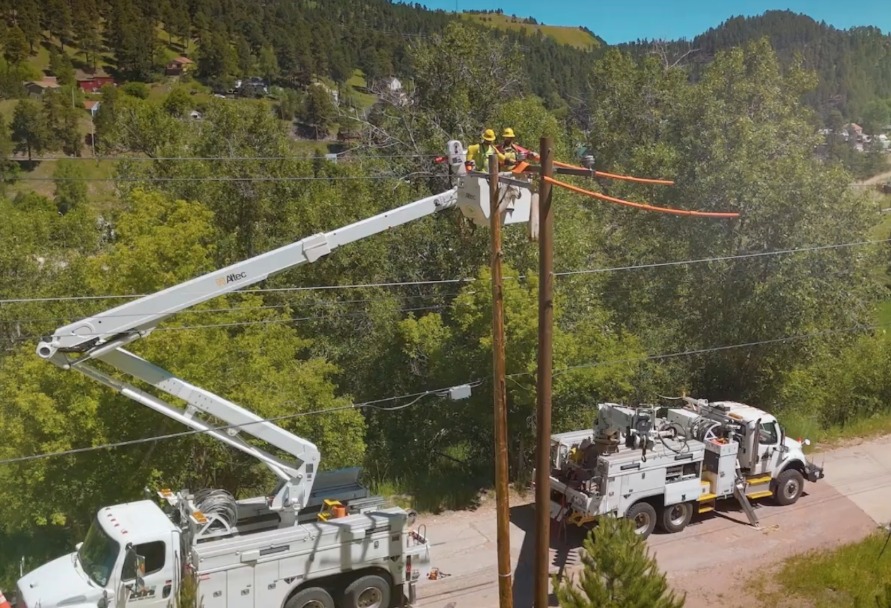
Regular tree trimming along our powerlines to prevent contact with equipment is an important step in utility wildfire mitigation. We remove any other plants that pose a risk to our equipment and may completely remove trees.
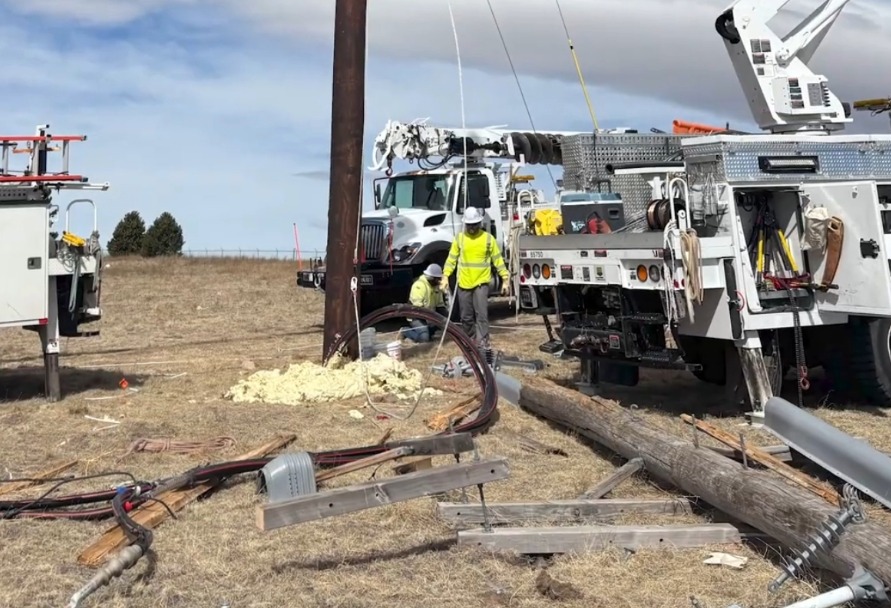
We inspect our poles and conduct ground and aerial inspections of our powerlines to identify any potential risks so that we can mitigate them. Just like you might inspect tools or equipment you use on your property, we want to make sure that everything is operating as safely as possible. That’s why we proactively inspect, repair and replace our electrical equipment.
What are integrity programs?
Have you ever upgraded your smoke alarms, installed Ground Fault Circuit Interrupter (GFCI) outlets and smart thermostats or bought fire extinguishers for your home? This is the home version of integrity programs — investing in systems that improve reliability and reduce risk.
We also work to reduce the risk of wildlife coming into contact with our equipment by using construction standards that include wildlife guards and extra space between components. These steps are designed to minimize the chance of birds, squirrels and other animals making contact with energized equipment.
What are operational responses?
An operational response is how we plan and adjust our work to prioritize safety during elevated fire risk. Just like you watch the weather forecast at your home and adjust your plans accordingly, so do we. We rely on daily and weekly weather forecasts to guide our scheduling and we make informed, risk-driven decisions to plan our work. We follow established fire weather operating procedures to help maintain safe operations.
We also maintain strong relationships with area fire departments and other emergency responders. A collaborative effort strengthens community wildfire protection, and by working together we can keep everyone safer.
What are some home wildfire safety tips?
Wildfire safety involves all of us. Here are some tips that you can use to protect your home.
- Clear vegetation and debris from around your home, trim trees and shrubs and keep grass short to create 30 feet of defensible space
- If you can, upgrade your home with fire-resistant materials for your roof, siding or deck.
- Maintain your property by removing dead branches and cleaning your gutters, roof and vents.
- Create an emergency plan, prepare an emergency kit and make sure your contact information is up to date.
At Black Hills Energy, we believe that safety is a shared responsibility. Preventing wildfire takes all of us — and together, we’re building stronger, safer communities.
Looking for more ways to protect your home from wildfire? Visit our wildfire safety page for tips and community resources.
More Positive Energy