Investing in our energy system
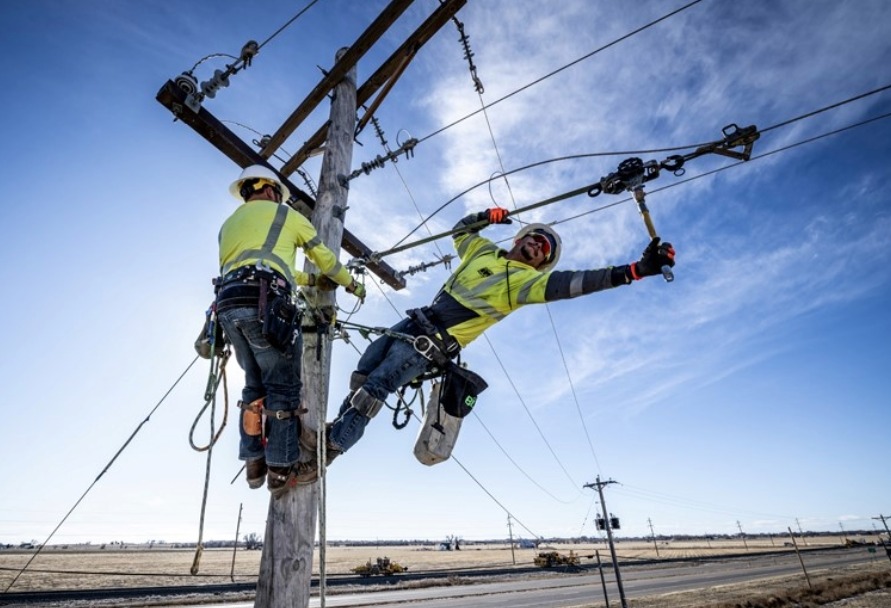
At Black Hills Energy, we’re not just providing power today; we’re actively preparing to provide safe, clean, reliable energy for years to come. Across Southern Colorado, we’re upgrading infrastructure, building redundancy, and enhancing safety so homes and businesses stay powered — day and night.
From Pueblo to Cañon City and into Teller and Fremont Counties, our teams are modernizing substations, rebuilding critical lines and upgrading the Pueblo Airport Generating Station (PAGS). These investments reduce outages, shorten restoration times and add safeguards that protect both people and equipment. The investments we make in our system focus on:
- Strengthening reliability
- Enhancing safety
- Preparing for changing conditions
- Supporting the moments that matter, every day
We’re hard at work, making smart investments to keep Colorado safely fueled for generations to come.
Current projects
Modernizing the grid
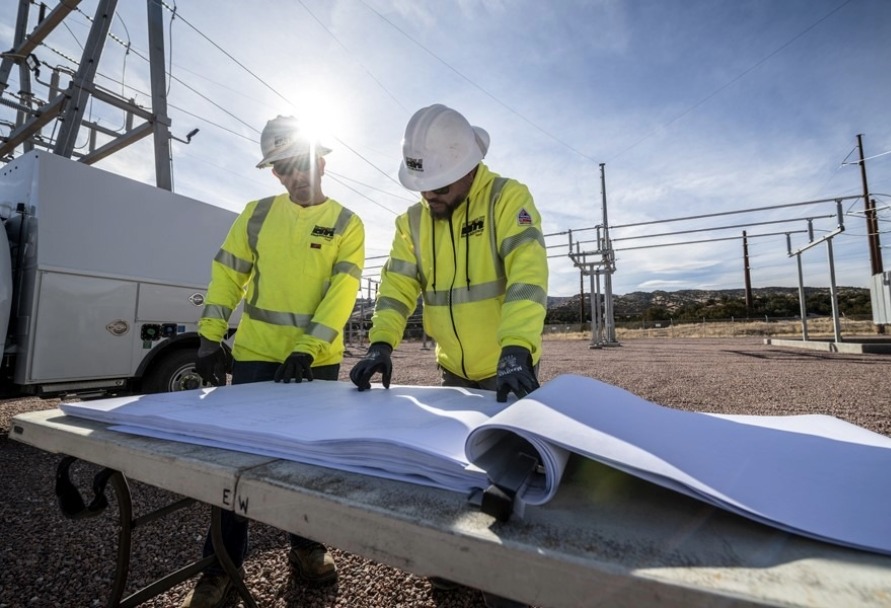
We’re replacing aging equipment and adding digital relays that detect and diagnose faults faster, empowering crews to respond precisely and restore service sooner. Recent upgrades at the Portland Substation include upgraded breakers and microprocessor relays — think of them like little computers that record information about any errors and improve visibility across the system.
Building redundancy
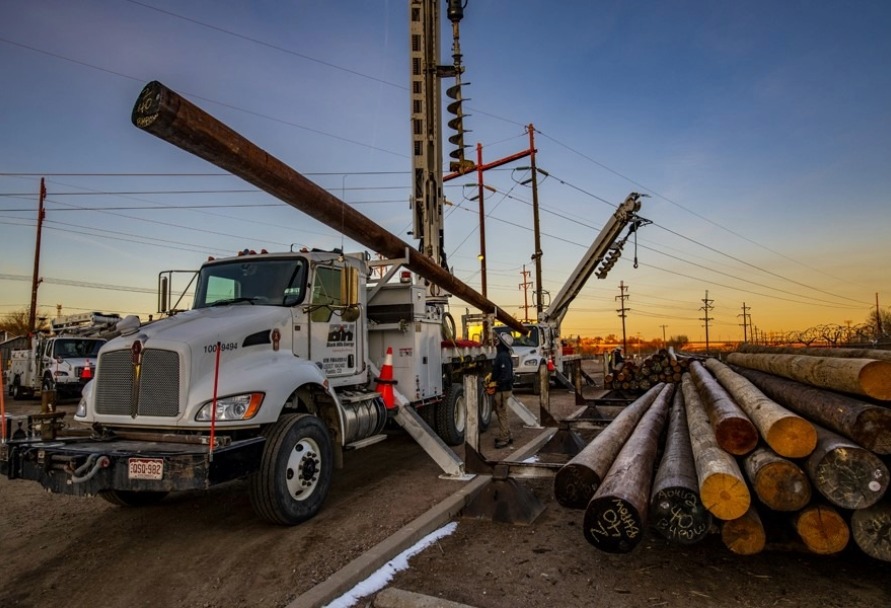
New sub transmission lines create multiple pathways to keep power flowing during storms or equipment failures. A new alternate route — Hogback–North Cañon–Cañon Plant — is built on hardened steel structures to create more contingency options for communities in Custer, Fremont and Teller Counties. A similar project is underway in Otero County will add contingencies in both Otero and Crowley Counties.
Frequently asked questions
Why invest in substations and lines most people never see?
These are the backbone of reliable service. Upgrades like microprocessor relays, breaker replacements and line rebuilds prevent outages and speed up restoration when something does go wrong.
How do these projects help during major outages?
Redundant routes allow power to be rerouted while crews make repairs. And with PAGS’s black start capability — the ability to start on its own without external help from the grid — we can energize key substations and jump start recovery of the wider grid.
How do these investments relate to renewable energy?
Flexible generation at PAGS can ramp quickly to balance wind and solar variability — keeping service reliable as more renewables come online.